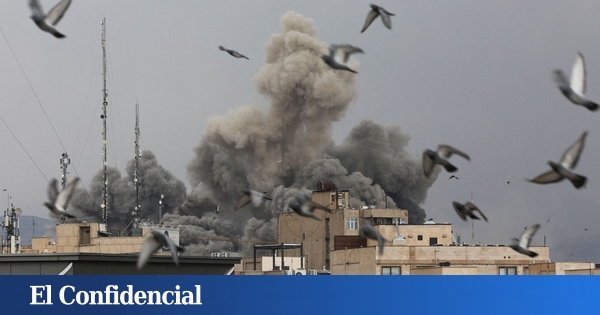
US Bolsters Middle East Presence Amidst Heightened Iran Tensions
The geopolitical landscape of the Middle East is once again at a critical juncture, with the United States significantly increasing its military footprint in the region. This strategic move comes as the Pentagon issues stark warnings regarding the potential for a protracted and complex conflict should tensions with Iran escalate further. The situation demands constant vigilance, with global attention fixed on every development, often following última hora Irán reports to stay abreast of the rapidly evolving narrative.
For months, the relationship between Washington and Tehran has been fraught, marked by accusations, counter-accusations, and proxy skirmishes. The latest deployments signal a serious commitment from the US to deter aggression and protect its interests and allies in a volatile region. However, these actions also raise questions about the delicate balance between deterrence and inadvertent escalation.
Understanding the Escalation: Why the US is Boosting Forces
The decision to surge forces into the Middle East is not made lightly. Pentagon officials have cited a series of intelligence assessments indicating increased threats posed by Iran and its proxies. These threats reportedly range from potential attacks on shipping in vital waterways like the Strait of Hormuz to strikes against US personnel and interests across the region. The deployments are framed as a defensive measure, designed to enhance readiness, improve missile defense capabilities, and provide a credible deterrent against any Iranian aggression.
- Naval Assets: The deployment of aircraft carrier strike groups and accompanying naval vessels serves as a visible demonstration of force projection and strategic capability, capable of rapid response in any maritime contingency.
- Air Defense Systems: Advanced Patriot missile defense systems and other anti-aircraft batteries have been moved to key locations, bolstering defenses against potential ballistic missile or drone attacks.
- Troop Reinforcements: While specific numbers can vary, additional personnel are often deployed to support these systems, enhance intelligence gathering, and provide logistical support, ensuring operational readiness.
These actions are intended to send an unequivocal message to Tehran: any aggressive acts will be met with a robust response. However, the concentration of military assets in such a confined and historically volatile area inherently carries risks, demanding careful diplomatic maneuvering alongside military posturing.
The Pentagon's Stark Warning: What a Conflict Entails
In parallel with the military build-up, senior Pentagon officials have issued sobering assessments about the nature of a potential conflict with Iran. Unlike previous engagements in the region, a direct confrontation with Iran is widely expected to be far more complex, costly, and prolonged. Analysts and military strategists have repeatedly emphasized that Iran possesses significant conventional and unconventional capabilities, including:
- Ballistic and Cruise Missiles: A formidable arsenal capable of reaching targets across the region, posing a threat to military bases, shipping, and infrastructure.
- Proxy Networks: Well-established and well-armed proxy groups in Lebanon (Hezbollah), Iraq, Syria, and Yemen, capable of launching asymmetric attacks and destabilizing regional security.
- Naval Capabilities: A focus on asymmetric warfare in the Persian Gulf, including fast attack craft, mines, and anti-ship missiles, designed to complicate naval operations in the Strait of Hormuz.
- Cyber Warfare: A growing capacity for cyber attacks that could target critical infrastructure, military networks, and economic systems.
The Pentagon's warning is not merely a threat but a strategic communication aimed at deterring Iran by highlighting the high cost of escalation for all parties involved. A conflict would undoubtedly ripple across global energy markets, disrupt international trade, and significantly destabilize the wider Middle East, affecting allies and adversaries alike. It's a scenario everyone wishes to avoid, underscoring the urgency of diplomatic efforts despite military preparations.
Navigating the Information Landscape: Última Hora Irán and Beyond
In an environment as tense and fluid as the current US-Iran standoff, access to timely and accurate information is paramount. The phrase última hora Irán, meaning "Iran breaking news," encapsulates the global demand for immediate updates on this critical situation. However, the speed of information dissemination, particularly in the digital age, also brings challenges:
The Importance of Reliable Sources
When monitoring developments that could potentially lead to conflict, it's crucial to rely on verified and credible news sources. Misinformation and disinformation can rapidly spread, fueling panic or misunderstanding. Here are some tips for staying informed:
- Cross-Reference Information: Always check multiple reputable news outlets, including international agencies and government statements, to corroborate facts.
- Identify Primary Sources: Look for direct quotes from officials, official press releases, and reports from established intelligence organizations, rather than relying solely on secondary interpretations.
- Be Wary of Social Media Echo Chambers: While social media can offer real-time updates, it's also a breeding ground for rumors and unverified claims. Approach such information with skepticism.
- Understand Nuance: Geopolitical situations are rarely black and white. Avoid sources that present overly simplistic narratives or seek to sensationalize events.
The constant flow of última hora Irán reports ensures that the international community remains acutely aware of the evolving risks, highlighting the fragility of peace and the critical need for de-escalation from all sides.
Regional Implications and Global Ramifications
The current state of US-Iran tensions has profound implications not just for Washington and Tehran, but for the entire Middle East and beyond. Regional allies, particularly Saudi Arabia and the UAE, are directly impacted, facing potential threats from Iranian proxies. This is particularly relevant in light of past incidents, as explored in articles like Iran Strikes Saudi: Middle East Tensions Escalate Rapidly, which documented the real-world consequences of escalating regional friction.
Economically, the Strait of Hormuz remains a critical choke point for global oil supplies. Any disruption there could send shockwaves through international energy markets, impacting consumers worldwide. Diplomacy, therefore, isn't just about preventing war; it's about safeguarding global economic stability.
The Role of International Actors
Beyond the immediate players, European powers, Russia, China, and the United Nations all have vested interests and roles to play. Efforts by these international actors often focus on maintaining open channels of communication, mediating disputes, and seeking diplomatic solutions to avert a broader regional conflagration. The stakes are simply too high for inaction.
As the situation unfolds, the global community watches with bated breath, hoping that the strategic deployments and warnings lead to a de-escalation rather than an unintended conflict. The future trajectory of the Middle East, and indeed global stability, hinges on the careful management of these complex and dangerous dynamics.
The US military build-up in the Middle East, coupled with the Pentagon's sobering warnings, underscores the severe risks inherent in the ongoing standoff with Iran. While deterrence is the stated goal, the potential for miscalculation remains a serious concern. As the world continues to monitor every Latest on Iran: Crisis Deepens With Strikes and US Deployments, the imperative for robust diplomacy alongside strategic military positioning has never been clearer. The ultimate hope is that these elevated tensions pave the way for a path to de-escalation, safeguarding peace and stability in a region that has long yearned for both.