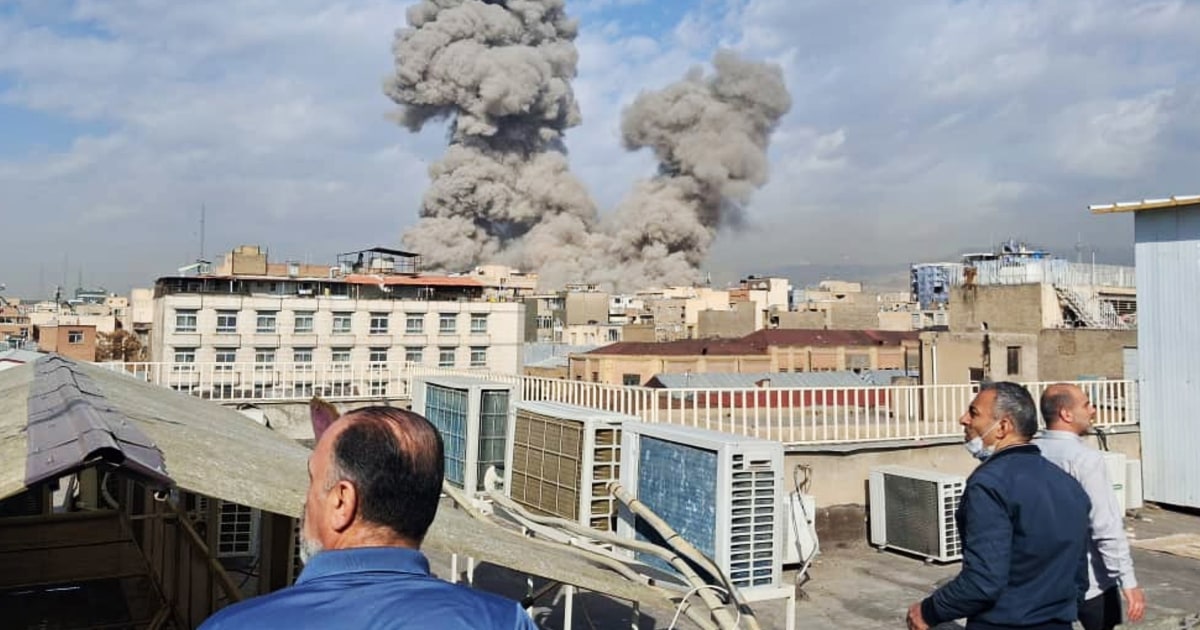
The Middle East remains a geopolitical flashpoint, a region where tensions can escalate with breathtaking speed and global ramifications. Headlines suggesting direct military confrontation, such as "Iran Strikes Saudi," immediately capture worldwide attention, transforming into an "última hora irán" scenario that dominates news cycles and triggers urgent diplomatic and security responses. While specific, confirmed reports regarding such an event demand careful verification, the mere prospect underscores the volatile dynamics between regional powers and the potential for rapid escalation.
The Volatile Crucible: Understanding Iran-Saudi Tensions
The relationship between Iran and Saudi Arabia is a deeply complex and often adversarial one, characterized by a potent mix of religious, political, and economic rivalries. These two regional giants often find themselves on opposing sides of conflicts across the Middle East, from Yemen and Syria to Lebanon and Iraq. Their competition for influence shapes the political landscape, and any direct military action between them would represent a critical turning point for regional stability.
- Historical Rivalry: Decades of ideological and geopolitical competition have fueled distrust. Saudi Arabia, a Sunni-majority kingdom, views itself as the leader of the Sunni Islamic world, while Iran, a Shia-majority Islamic Republic, asserts its revolutionary ideology and seeks to expand its influence among Shia communities and beyond.
- Proxy Conflicts: Rather than direct military confrontation, both nations have historically engaged in proxy wars, supporting various factions and militant groups across the region. These indirect battles, while avoiding direct state-on-state warfare, often lead to significant human cost and prolonged instability.
- Economic Competition: As major oil producers, both countries are sensitive to shifts in global energy markets. Disruptions in the Strait of Hormuz, a crucial shipping lane through which a significant portion of the world's oil passes, could have catastrophic global economic consequences.
- Nuclear Ambitions: Iran's nuclear program remains a significant point of contention, raising concerns among its neighbors and international powers alike, including Saudi Arabia, which views it as a direct threat to regional security.
When "Última Hora Irán" Resonates Globally: The Stakes of Regional Conflict
The term "última hora Irán" (breaking news Iran) frequently flashes across international screens because developments involving the Islamic Republic rarely remain confined within its borders. Iran's strategic location, its extensive military capabilities—including a significant ballistic missile program—and its network of regional allies and proxies mean that any major incident involving Iran has immediate and far-reaching implications.
When news of a potential strike emerges, the world watches with bated breath. Such an event would not only trigger immediate responses from the targeted nation but also prompt a swift reaction from international allies and bodies. The speed at which information—and sometimes misinformation—travels in the digital age makes verifying sources and understanding the full context paramount.
The global community understands that a direct military exchange between Iran and Saudi Arabia could:
- Ignite a Wider Regional War: Drawing in allies and proxy groups, potentially leading to a conflict that engulfs multiple nations.
- Disrupt Global Energy Supplies: Threatening the stability of oil markets and potentially plunging the global economy into crisis.
- Increase International Intervention: Forcing major powers, including the United States and European nations, to take more assertive diplomatic or even military stances to de-escalate the situation or protect their interests.
- Exacerbate Humanitarian Crises: Adding further strain to already vulnerable populations in conflict-ridden areas.
Potential Repercussions: What an Escalation Could Mean
An escalation leading to direct strikes, even if initially limited, carries immense risks. The immediate military response from the attacked party would likely be swift and decisive, setting off a chain reaction. Infrastructure, particularly oil facilities, would be prime targets, affecting not just the involved nations but also global markets. The rhetoric would intensify, making diplomatic off-ramps increasingly difficult to find. The economic fallout, especially on oil prices and shipping, could be severe, impacting consumers and industries worldwide.
Beyond the immediate military and economic consequences, such a development would reshape alliances and geopolitical strategies across the globe. Nations with vested interests in the Middle East, or those reliant on its energy resources, would be forced to reassess their positions and potentially take sides, further polarizing international relations. The intricate web of existing treaties and security arrangements would be tested, highlighting the fragility of regional peace.
For individuals and businesses, the practical implications could range from rising fuel costs and supply chain disruptions to increased security concerns for personnel operating in or transiting through the region. Companies involved in international trade and investment would face heightened uncertainty and potential losses.
International Responses and the Quest for Stability
In scenarios of heightened tension or actual military action in the Middle East, international powers, particularly the United States, often play a crucial role in deterrence, de-escalation, and crisis management. The U.S. has a long-standing military presence and strategic interests in the region, aimed at ensuring stability and protecting its allies.
Reports of increased military deployments are common during periods of elevated risk. For instance, discussions around the U.S. boosting its forces in the Middle East often emerge when there are clear warnings regarding potential Iranian aggression, as detailed in reports like US Boosts Middle East Forces as Pentagon Warns on Iran Fight. These deployments are typically portrayed as defensive measures or a show of force intended to deter further escalation and protect U.S. interests and personnel.
Diplomatic efforts would concurrently intensify, with international bodies like the United Nations and various foreign ministries working tirelessly to mediate, establish ceasefires, and prevent the conflict from spiraling out of control. Sanctions, negotiations, and multilateral discussions become critical tools in attempting to restore a semblance of peace.
Understanding the broader context of such deployments and diplomatic maneuvers is essential for anyone tracking the Middle East crisis. Further insights into how the situation deepens with strikes and US deployments can often be found in analyses like Latest on Iran: Crisis Deepens With Strikes and Us Deployments, which aim to provide comprehensive updates on these fast-moving developments.
Navigating Information in a Rapidly Changing Landscape
In moments of high-stakes "última hora irán" news, the speed at which information spreads can be both a blessing and a curse. While instant updates keep the public informed, the potential for misinformation and unverified claims is significant. Here are some practical tips for navigating such a landscape:
- Verify Sources: Always cross-reference news from multiple reputable and independent media outlets. Be wary of unconfirmed reports circulating on social media.
- Seek Expert Analysis: Look for insights from credible geopolitical analysts, former diplomats, and regional specialists who can offer context and informed perspectives beyond immediate headlines.
- Understand the Nuances: Geopolitical situations are rarely black and white. Avoid drawing hasty conclusions and try to understand the multiple factors at play, including historical grievances, internal politics, and external influences.
- Stay Informed, But Avoid Alarmism: While it's important to be aware of significant global events, constantly consuming alarmist news can lead to undue stress. Prioritize information that is verified and provides clear, actionable understanding.
The Middle East remains a region of paramount global importance. While the focus on potential escalations like an "Iran Strikes Saudi" scenario highlights the ever-present risks, it also underscores the critical need for continued diplomatic engagement, de-escalation efforts, and a deep understanding of the complex forces at play. The world watches closely, hoping that dialogue and restraint can prevail over conflict, ensuring that headlines of "última hora irán" reflect progress towards peace rather than the specter of war.